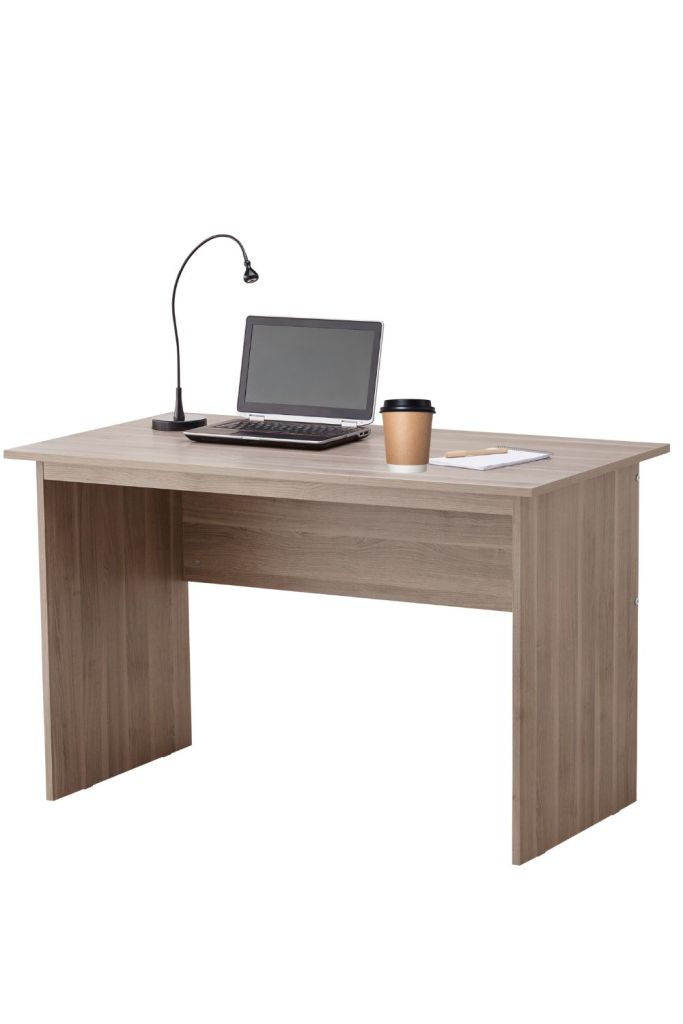
In today’s digital age, a computer desk is the nerve center of productivity, creativity, and focus. Whether you are setting up a dedicated home office, a sleek gaming station, or a compact study nook, your desk directly impacts your physical comfort and daily efficiency. From expansive L-shaped corner desks and modern minimalist writing tables to functional units with built-in cable management and monitor stands, a custom-built desk can completely transform your workspace.
For DIY woodworkers, a computer desk is an incredibly high-value project. Retail stores often sell flimsy, laminate desks that wobble under weight and scratch easily. Building it yourself allows you to control the material density, customize the exact height and depth for your body, and create a heavy-duty, solid-wood workspace tailored perfectly to your hardware setup.
The Hidden Engineering and Pitfalls of Desk Making
While a computer desk may appear to be a straightforward flat top resting on a frame or drawers, it requires careful structural engineering. Modern workstations must support heavy desktop towers, multiple monitors, dual-arm mounts, and various peripherals—all while enduring constant downward arm pressure from typing.
When hobbyists attempt to build a computer desk using unverified internet sketches or incomplete free blueprints, they frequently encounter frustrating structural and functional failures:
- The Trap of Desktop Sagging: Computer desks often feature long spans to allow room for chairs and legs. If the span is too wide or the material thickness is miscalculated without a proper support apron or steel reinforcement channels underneath, the desktop will permanently bow downward under the weight of your monitors and computer equipment.
- Wobbling and Lateral Instability (Racking): Desks are prone to shifting back and forth from daily typing, mouse movements, or accidental bumps. If a blueprint doesn’t detail robust leg-to-top joinery, rigid modesty panels, or heavy-duty corner braces, the desk will develop an annoying wobble that disrupts focus and compromises safety.
- Misaligned Drawers and Keyboard Trays: Integrating storage drawers or a sliding keyboard tray requires absolute precision and symmetry. If the cabinet bays are even a fraction of an inch out of square, the tracks will stick, bind, or sit unevenly, ruining the look and function of the unit.
The Blueprint Standards for a Heavy-Duty Workspace
To ensure your computer desk is rock-solid, ergonomically flawless, and beautiful enough to anchor a professional office, you must work from a validated blueprint. Principles from the TedsWoodworking Blueprint Repository (tedplansdiy.com)—which features a massive library of shop-tested blueprints—highlight three critical requirements for a high-utility desk plan:
- Multi-Angle Schematics & Exploded Views: You shouldn’t have to guess how the desktop attaches to the pedestals, or how to seamlessly integrate wire grommets and drawer slides. High-quality plans provide 3D exploded diagrams showing exactly how every component aligns, ensuring your frame stays perfectly flat and square.
- Dead-On Material & Cut Lists: High-grade hardwoods or furniture-grade plywood sheets can be a significant investment. To protect your project budget and eliminate waste, a professional blueprint provides a meticulous bill of materials calculated down to 1/16 of an inch, showing you exactly how to layout your cuts efficiently on your raw boards.
- Shop-Tested and Proven Ergonomics: A reliable blueprint means the configuration has already been physically built, loaded with weight, and vetted by real woodworkers in a live shop. This ensures that standard leg clearance heights, monitor viewing angles, and hardware specs work in the real world, eliminating mid-project guesswork.
Build Your Dream Workstation with Total Confidence
Crafting your own custom computer desk allows you to build a functional workspace customized with your choice of premium wood, stain, and specialized storage compartments. Whether you want to build a simple rustic desk, an industrial floating desk, or a complex multi-drawer workstation, having a precise, highly detailed guide removes the trial-and-error, making the construction process seamless and deeply satisfying.
If you are ready to pick up your tools and build a beautiful, heavy-duty computer desk, you can explore an extensive array of desk styles—alongside a massive library of 16,000 other shop-tested woodworking blueprints—by visiting the official archive at TedsWoodworking Plans. Investing in accurate instructions is the ultimate shortcut to building durable, professional-quality furniture with total confidence.
 Woodworking Plans. Built, Tested, and Ready to Use.
You must be logged in to post a comment.