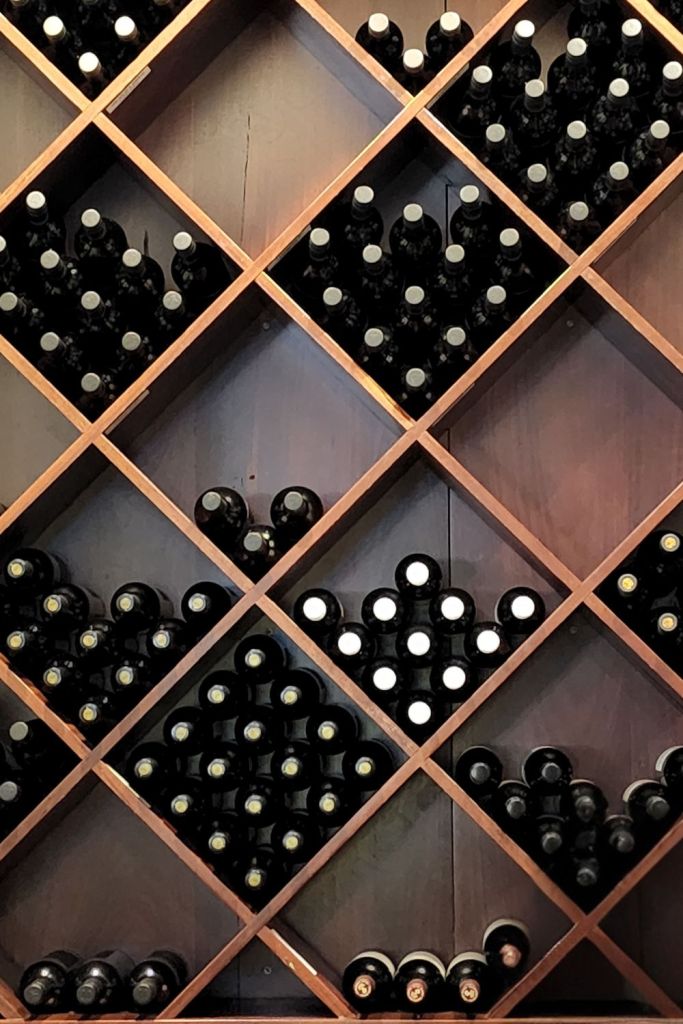
Wine storage is more than just a functional necessity for wine enthusiasts—it is an art form that merges interior aesthetics with proper bottle preservation. Whether you hold a modest collection of favorite table wines or are building an extensive personal cellar, a well-crafted wine rack protects your investment while adding elegance to your dining space, kitchen, or home bar. Building your own custom wine rack allows you to optimize storage capacity, tailor dimensions to your available space, and select hardwoods that seamlessly complement your home’s decor.
1. Fundamental Principles of Proper Wine Storage
Before selecting materials or picking up your tools, it is crucial to understand why wine rack design matters for bottle longevity and wine quality:
- Horizontal Orientation: Wine bottles must be stored horizontally (or slightly angled downward) to ensure the liquid remains in constant contact with the cork. This keeps the cork moist, preventing it from drying out, shrinking, and allowing oxygen to spoil the wine.
- Temperature & Humidity Protection: Wood acts as a natural insulator. Storing wine away from direct sunlight, heating vents, and extreme temperature fluctuations prevents premature aging.
- Vibration Minimization: A sturdy, rigid wooden rack absorbs micro-vibrations that can disturb delicate sediment in aging wines.
2. Popular Wine Rack Styles for Woodworking Projects
Depending on your skill level, space availability, and collection size, several timeless designs can be constructed:
- Countertop / Tabletop Racks: Compact and portable (holding 4–12 bottles), ideal for kitchens, sideboards, or quick weekend DIY builds.
- Wall-Mounted Floating Racks: Space-saving and modern, these display units free up floor area and often incorporate integrated stemware/glass holders underneath.
- Modular Stackable Racks: Versatile units built using interlocking slots, allowing you to expand storage capacity as your wine collection grows.
- Cabinet & Cellar Units: Heavy-duty floor units utilizing diamond bins, individual cubbies, or slatted grids designed to hold 50+ bottles.
3. Key Steps in Building a Custom Wooden Wine Rack
Following detailed plans—such as the step-by-step woodworking guides available on TedPlansDIY—ensures precise cuts, structural integrity, and professional results.
Step 1: Material Selection
Choose durable woods suitable for joinery. Redwood and Cedar offer natural resistance to high humidity (ideal for cellars). Oak, Walnut, and Maple provide premium strength and stunning natural grain patterns for living areas, while budget-friendly Pine takes stains exceptionally well.
Step 2: Cutting & Precision Joinery
Standard wine bottles measure approximately 3 to 3.2 inches in diameter and 12 inches in height. Cubbies or bottle rails must be uniform:
- Use a dado blade or hole saw for curved neck and base cutouts.
- Incorporate dado joints or pocket holes to create sturdy grids capable of supporting significant weight (a full case of 12 bottles weighs roughly 30–35 lbs).
Step 3: Assembly & Structural Reinforcement
Assemble the internal grids or cross-racks using waterproof wood glue and finishing nails or pocket screws. Ensure the outer frame is perfectly square before installing diagonal braces or back paneling.
Step 4: Sanding and Non-Toxic Finishing
Sand all surfaces thoroughly (from 120-grit up to 220-grit) to remove sharp edges that could scratch bottle labels. Apply low-VOC stains or food-safe clear sealants (such as polyurethane or natural oils) to protect the wood while maintaining indoor air quality.
4. Pro Tips for DIY Success
- Check Weight Ratings: Full wine bottles add up in weight quickly. When building large wall-mounted or freestanding units, always anchor the frame directly into wall studs using heavy-duty lag screws.
- Use Step-by-Step Plans: Having detailed blueprints, exact cutting lists, and 3D diagrams eliminates material waste and prevents costly measurement errors. Resources like TedPlansDIY provide comprehensive woodworking schematics that guide beginners and experienced builders through complex joinery step-by-step.
Conclusion
Building a handcrafted wine rack is a highly rewarding project that combines practical utility with fine craftsmanship. Whether crafting a simple modern wall mount or a classic multi-tier wooden cellar rack, precise planning and quality joinery will ensure your wine collection is stored safely and displayed in style for years to come.
You must be logged in to post a comment.