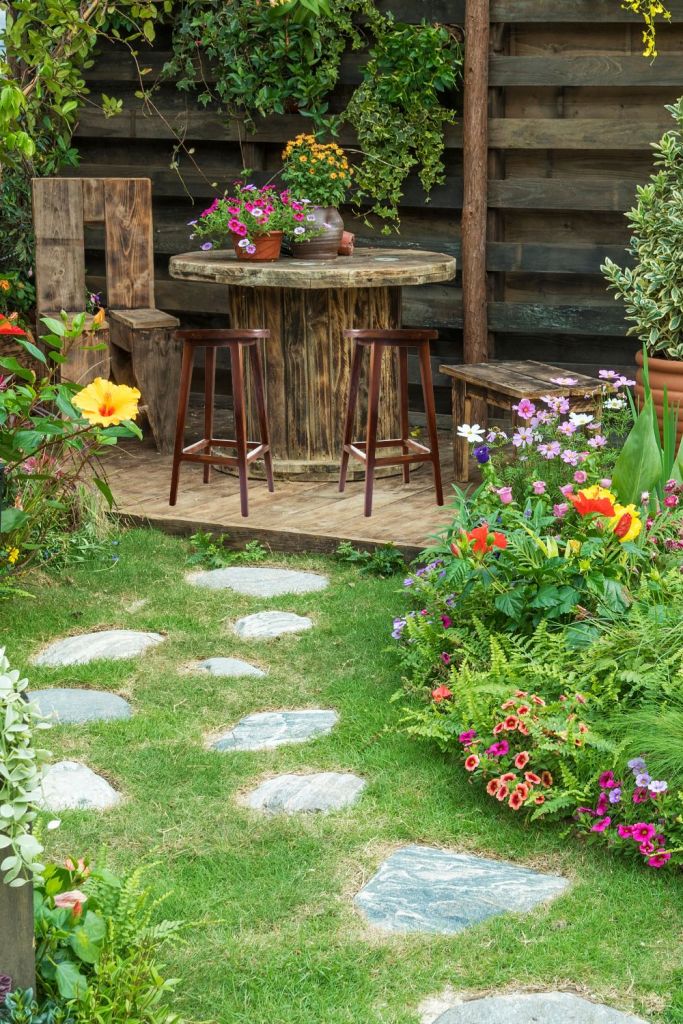
A stool is one of the most fundamental yet highly utilized pieces of furniture in any home. From tall kitchen bar stools and breakfast counter seating to compact step stools for children and heavy-duty workshop stools, this furniture type packs immense functionality into a small footprint.
For DIY woodworkers, a stool is a phenomenal project. It is compact, requires less raw material than large tables or dressers, and can often be completed over a single weekend. However, its small size can be deceptive; a truly high-quality stool involves intricate angled cuts, tight joinery, and perfect weight balance, making it an excellent project to elevate your woodworking skills from a casual hobbyist to a precision builder.
The Hidden Complexity and Dynamic Stress of Stool Making
Because stools appear to be basic flat seats resting on narrow legs, it is easy to underestimate the engineering required to build one safely. Stools endure intense dynamic stress—people constantly shift their weight, lean backwards, rotate, and climb onto them.
When builders rely on unverified online sketches or incomplete free blueprints, they routinely face frustrating structural and functional failures:
- The Annoying “Wobble” and Leg Imbalance: Cutting stool legs that splay outward at compound angles for stability requires absolute precision. A variance of just a millimeter or a single degree off on your miter saw will result in an uneven leg length, causing an irritating wobble that is incredibly difficult to fix after assembly.
- Joint Weakness and Racking: The joints where the legs meet the top seat apron take the brunt of lateral force whenever someone sits down. Without explicit guidance on reinforcing these corners using robust mortise-and-tenon joints, dowels, or hidden pocket-hole structures, the legs will quickly loosen, sway, and buckle under weight.
- Snapping Footrests (Stretchers): On taller bar stools, the horizontal rungs serve dual purposes: they function as footrests and act as vital structural support ties that prevent the legs from spreading apart. Poorly planned blueprints often use weak joints or incorrect wood thicknesses for these stretchers, causing them to crack or snap over time.
The Blueprint Standards for a Rock-Solid, Beautiful Stool
To eliminate the trial-and-error, protect your project budget, and ensure your custom stool is structurally indestructible, you must work from a validated blueprint. Principles from the TedsWoodworking Blueprint Repository (tedplansdiy.com)—which features an extensive library of shop-tested blueprints—highlight three critical requirements for high-utility stool plans:
- Multi-Angle Schematics & Exploded Views: You shouldn’t have to guess how compound angled legs lock into a square seat frame. High-quality plans provide 3D exploded diagrams showing exactly how every spindle, stretcher, and support apron aligns, ensuring your frame stays perfectly flat and uniform.
- Dead-On Material & Cut Lists: Premium hardwoods like oak, walnut, or maple can be an expensive investment. To protect your budget and minimize waste, a professional blueprint provides a meticulous bill of materials calculated down to a precise 1/16 of an inch, showing you exactly how to layout your angled cuts efficiently across your boards.
- Shop-Tested Validation: A reliable blueprint means the configuration has already been physically built, stress-tested for weight capacity, and vetted by real woodworkers in a live shop. This process catches mistakes before they reach your workbench, guaranteeing a seamless, stress-free build over the weekend.
Sit High and Build with Total Confidence
Crafting your own custom wooden stools allows you to choose your favorite premium timber, select custom stains that match your kitchen cabinets or bar area, and build a piece of furniture that completely surpasses flimsy, mass-produced metal or plastic retail models. Whether you want to build a classic four-legged bar stool, a rustic farmhouse step stool, or a sleek modern swivel seat, having a precise guide makes the construction process seamless and deeply satisfying.
If you are ready to pick up your tools and build a beautiful, heavy-duty stool, you can explore an extensive array of stool styles—alongside a massive library of 16,000 other shop-tested woodworking blueprints—by visiting the official archive at TedsWoodworking Plans. Investing in uncompromised, accurate instructions is the ultimate shortcut to building durable, professional-quality furniture with total confidence.
 Woodworking Plans. Built, Tested, and Ready to Use.
You must be logged in to post a comment.