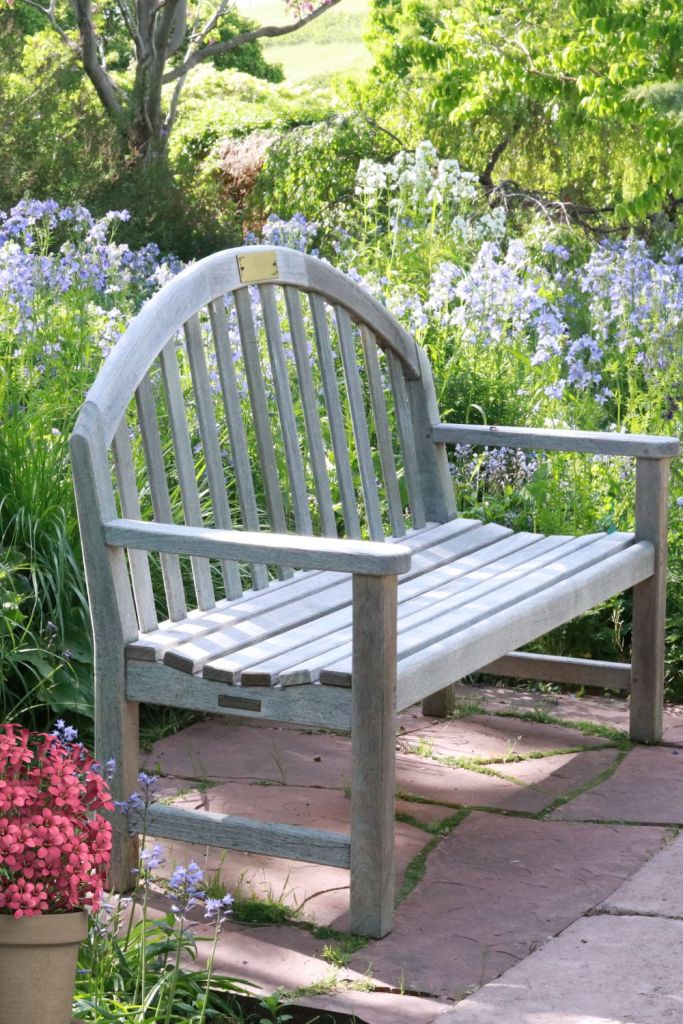
A bench is one of the most versatile and functional pieces of furniture you can add to your home. Outdoors, a well-crafted garden bench or patio seat creates an inviting spot to enjoy nature and gather with family. Indoors, an elegant entryway bench or a dining table bench optimizes space while adding immediate rustic or modern charm.
For DIY woodworkers, a bench represents the perfect weekend project. It is highly rewarding, functionally practical, and structurally straightforward enough for beginners—yet infinitely customizable for seasoned builders who want to experiment with unique backrests, storage compartments, or intricate joinery.
The Structural Realities of Bench Building
Because benches look like simple, long platforms, it is easy to underestimate the engineering required to build one safely. A bench is subject to high amounts of static and dynamic weight, often supporting multiple adults simultaneously. When builders rely on unverified online blogs or incomplete free sketches, they frequently run into structural failures:
- Sagging and Bowing Under Weight: Without proper support beams (stretchers) running beneath the seat, a bench will slowly bow downward in the center over time, permanently ruining the wood and creating a safety hazard.
- Wobbling and Racking: The long footprint of a bench makes it susceptible to “racking”—the lateral, side-to-side rocking motion that happens when joints are stressed. If a blueprint doesn’t detail proper leg-to-apron reinforcement, the bench will quickly become unstable.
- Exposure to the Elements: For outdoor benches, wood expansion, moisture accumulation, and seasonal changes require specific spacing between seat slats. Poorly designed plans often ignore these tolerances, leading to warping, rotting, or cracked wood within a single season.
The Blueprint Baseline for Seating That Lasts a Lifetime
To ensure your bench is rock-solid, comfortable, and beautiful enough to look like a premium retail piece, you need to work from a highly detailed, validated blueprint. Principles from the TedsWoodworking System (tedplansdiy.com)—a massive repository of shop-tested blueprints—highlight three critical requirements for a high-utility bench plan:
- Multi-Angle Schematics & Exploded Views: You must be able to see exactly how the legs join the frame and how the support stretchers secure the seat. Clear 3D diagrams take the guesswork out of structural alignment, ensuring your frame remains perfectly square and wobble-free.
- Dead-On Material and Cut Lists: Premium lumber shouldn’t be wasted on trial-and-error cuts. A professional-grade plan provides an exact bill of materials calculated down to 1/16 of an inch. This ensures you buy exactly what you need, layout your cuts efficiently on the boards, and protect your project budget.
- Shop-Tested and Proven Configurations: A reliable plan means the layout has already been physically built, loaded with weight, and verified by real woodworkers in a live shop. This guarantees that every measurement works in the real world, eliminating mid-project frustration.
Bring Beautiful Handmade Seating into Your Space
Building a custom wooden bench allows you to choose durable materials—like teak or cedar for outdoors, or rich oak and walnut for indoors—tailored exactly to your home’s aesthetic. Whether your goal is a minimalist entryway bench with a built-in shoe rack or a classic high-backed garden seat, having a precise guide makes the construction seamless and enjoyable.
If you are ready to pick up your tools and start building a beautiful, sturdy bench this weekend, you can access a wide variety of bench styles—along with a massive library of 16,000 other shop-tested woodworking blueprints—by visiting the official collection at TedsWoodworking Plans. Investing in accurate instructions is the ultimate shortcut to building heirloom-quality furniture with complete confidence.
 Woodworking Plans. Built, Tested, and Ready to Use.
You must be logged in to post a comment.