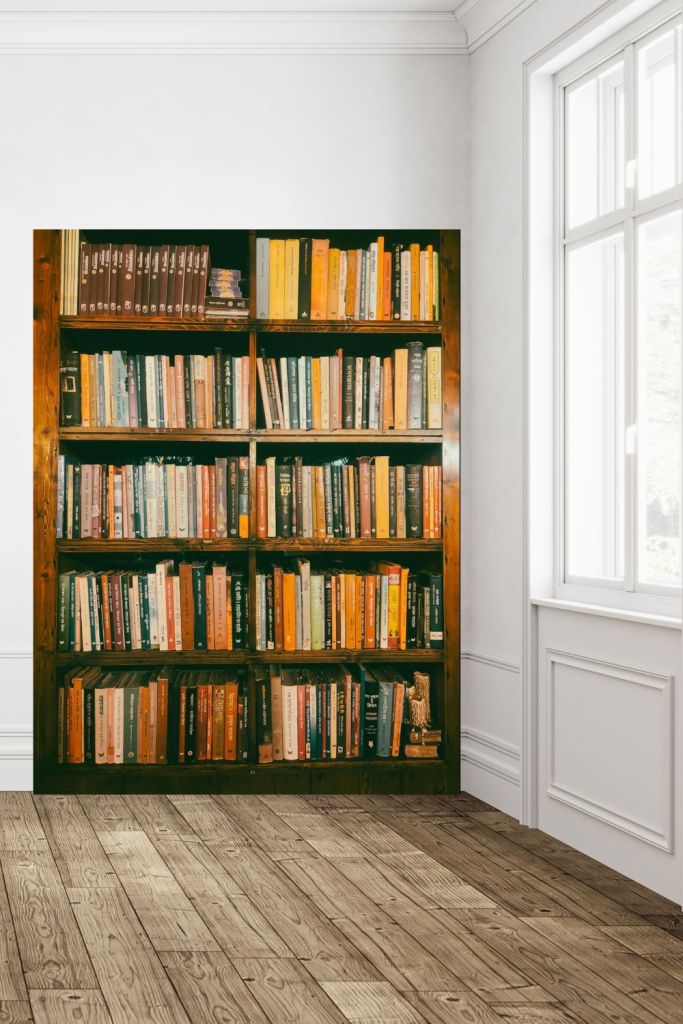
A bookcase is more than just a storage unit for literature; it is a centerpiece of home organization, a display for personal treasures, and a major focal point in any room. From towering floor-to-ceiling library walls and modern ladder shelves to compact modular units, a custom bookcase can instantly elevate a home’s interior design.
For DIY woodworkers, a bookcase is highly rewarding because it offers an incredible return on investment. Retail stores often charge exorbitant prices for solid wood shelving, frequently substituting real timber with cheap, flimsy particleboard that buckles over time. Building it yourself allows you to control the material quality, customize the shelf spacing, and ensure the piece fits your walls perfectly.
The Hidden Engineering Behind Stable Shelving
While a bookcase appears to be a basic grid of vertical and horizontal boards, it requires careful structural engineering. Books are incredibly heavy when packed together, and gravity is a constant enemy. When hobbyists build shelves using unverified internet sketches or incomplete free blueprints, they often face frustrating structural failures:
- The Infamous “Shelf Sag”: If the span of a shelf is too long or the material thickness is miscalculated, the horizontal boards will permanently bow downward under the weight of books. A professional plan will account for the “sagulator” limit, dictating exactly when a shelf needs center support, thicker wood, or front edge banding.
- Racking and Lateral Instability: Tall bookcases are highly susceptible to “racking”—the tendency of a rectangular frame to lean or collapse sideways when loaded. Without explicit instructions on how to integrate a structural back panel or stable corner bracing, the bookcase can become a serious safety hazard.
- Uneven and Loose Shelf Pins: If you are building adjustable shelves, drilling the pin holes requires absolute symmetry. A variance of just a millimeter will cause the shelf to rock back and forth, making it unstable and visually unaligned.
The Blueprint Standards for Heavy-Duty Cabinet Making
To ensure your bookcase remains perfectly square, structurally rock-solid, and beautiful enough to look like a premium custom-built installation, you must work from a validated blueprint. Principles from the TedsWoodworking Blueprint Repository (tedplansdiy.com) establish exactly what a high-utility bookcase plan must provide:
- Multi-Angle Schematics & Exploded Views: You shouldn’t have to guess how the top crown molding, side panels, and base frame interlock. Detailed 3D exploded diagrams show you the exact internal placement of dados, rabbets, pocket screws, or shelf pins from multiple perspectives.
- Dead-On Cut Layouts and Material Bills: Buying high-grade hardwood or furniture-grade plywood can be expensive. To maximize your budget and minimize waste, a professional-grade blueprint provides a meticulous bill of materials calculated down to 1/16 of an inch, telling you exactly how to layout cuts on your boards efficiently.
- Shop-Tested Validation: A reliable plan means the design has already been physically built, fully loaded with weight, and tested by real woodworkers in a live workshop. This catches errors before they reach your workbench, ensuring a seamless, stress-free construction process over the weekend.
Build an Heirloom-Quality Library with Total Confidence
A custom bookcase crafted from rich oak, walnut, or painted trim adds a level of warmth and permanent value to your home that flat-pack furniture simply cannot replicate. Whether you want to build a simple three-shelf unit for a children’s room, a rustic farmhouse bookcase, or a sophisticated home office library, having a precise guide eliminates the risk of wasted time and costly lumber mistakes.
If you are ready to pick up your tools and build a beautiful, heavy-duty bookcase, you can explore a vast array of bookcase styles—alongside a massive library of 16,000 other shop-tested woodworking blueprints—by visiting the official archive at TedsWoodworking Plans. Investing in the right blueprints is the ultimate shortcut to building durable, professional-quality furniture with total confidence.
 Woodworking Plans. Built, Tested, and Ready to Use.
You must be logged in to post a comment.